





































































































Fire Resistant Plasterboards
Showing 1 to 11 of 11 (1 Pages)
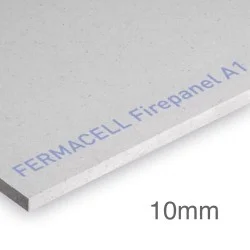
Brand: Fermacell
Model: 1200mm x 2600mm - 3.12m2
Delivery Time: 2 - 3 working days
10mm Fermacell Firepanel A1 is a high-performance, homogeneous gypsum-based dry lining board designed to deliver exceptional fire protection. Reinforced with non-flammable fibres, this innovative board provides superior resistance to fire, making it an ideal choice for applications where safety and ..
Guide Price
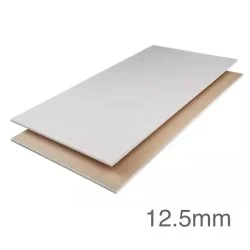
Brand: British Gypsum
Model: 1200x2400mm - 2.88m2
Delivery Time: 2 - 3 working days
12.5mm British Gypsum Gyproc FireLine is a plasterboard that contains glass fibre and other additives for extra fire protection. This board can withstands fire for longer to allow for safe evacuation. It can be used in partitions, ceilings and steel encasement systems in domestic separating walls, ..
Guide Price: £16.10
£19.32 inc VAT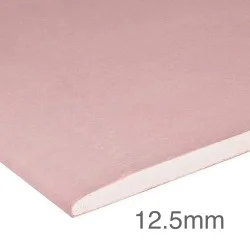
Brand: Knauf
Model: 1200x2400 - 2.88m2
Delivery Time: 1 - 2 days
12.5mm Knauf Fire Panel Plasterboard is a high-performance gypsum-based board designed to provide enhanced fire resistance. It is a popular choice for use in walls and ceilings where fire safety is a key consideration. Knauf Fire Panel features a core composed of a specially formulated gypsum compou..
£24.22
£29.06 inc VAT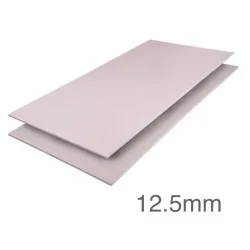
Guide Price
Brand: British Gypsum
Model: 1200x3000mm - 3.60m2
Delivery Time: TBC
12.5mm Gyproc FireLine MR with water repellent additives in its core is used in British Gypsum wall lining and partition systems where both fire protection and moisture resistance are required. Also used for protection to structural steel. Plasterboard linings provide good fire p..
Guide Price: £26.36
£31.63 inc VAT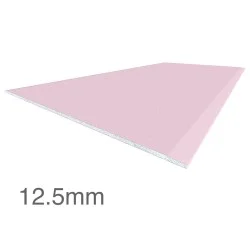
Brand: Siniat
Model: 1200mm x 2400mm - 2.88.m2
Delivery Time: 2 - 3 working days
12.5mm Siniat GTEC Fire MR Board is a high-performance plasterboard designed to deliver enhanced fire protection and moisture resistance in demanding environments. Manufactured to meet the requirements of Type DFH2 to EN 520, it is ideally suited for use in stud partitions, wall linings, and ceiling..
Brand: British Gypsum
Model: 1200mm x 2400mm - 2.88m2
Delivery Time: 2 - 4 days
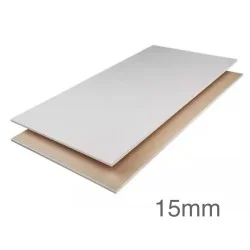
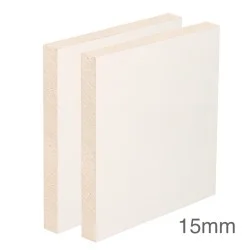
15mm British Gypsum Gyproc DuraLine is a high-performance tapered edge plasterboard featuring a high-density core and fire-resistant additives, which enhance its impact and fire resistance while also reducing noise. This robust construction ensures that it can withstand severe impact, making it an i..
Guide Price
Brand: British Gypsum
Model: 2400mm x 1200mm - 2.88.m2
Delivery Time: 7 - 10 days
15mm Glasroc F FireCase is a non‑combustible, glass‑reinforced gypsum board designed specifically for structural steel fire protection within British Gypsum’s FireCase and GypLyner ENCASE systems. Glasroc F FireCase is manufactured from gypsum reinforced with glass fibre tissue, glass rovings, and p..
Guide Price: £70.35
£84.42 inc VAT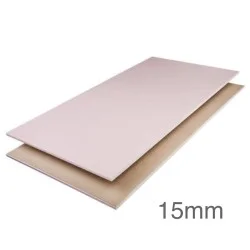
Guide Price
Brand: Knauf
Model: 1200mm x 2400mm - 2.88m2
Delivery Time: 5 - 10 Working Days
15mm Knauf Fireboard is a fleece-lined high performance square-edge plasterboard that provides up to two hours of fire protection in structural steel encasement. It is also ideal for use as fillets in deflection head details (an elastic polyurethane foam with intumescent firestop additives acts as a..
Guide Price: £71.58
£85.90 inc VAT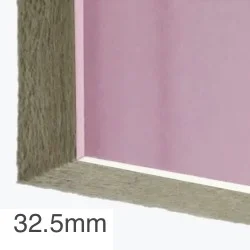
Brand: Various Manufacturers
Model: 1200mm x 2400mm - 2.88m2
Delivery Time: 2 - 5 working days
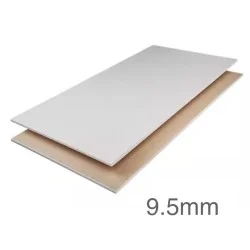
32.5mm Thermal and Acoustic Wall Panel is a 20mm rigid high density thermal and acoustic Rockwool insulation slab bonded to 12.5mm fire resistant plasterboard (A2), which would not only reduce sound transmission through walls, but also give you fire safety. The Rockwool slab is made from volcanic ro..
Brand: British Gypsum
Model: 900mm x 1220mm - 1.10m2
Delivery Time: 2 - 4 days
9.5mm British Gypsum Gyproc HandiBoard is a high-performance square edge plasterboard featuring a high-density core and fire-resistant additives, which enhance its impact and fire resistance while also reducing noise. It is easy to transport in the back of a vehicle. This board can be used to replac..
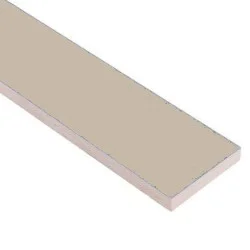
Brand: Various Manufacturers
Model: Fireproof Plasterboard Strips
Delivery Time: 2 - 5 working days
Cut to Size Fireproof Plasterboard Strips for Deflection Heads are used in plasterboard partitions to allow for movement - up, down or both within the structure at the head of a partition. This deflection is created by live and dead loads on the floor or roof above. The partition below has to accomm..
Showing 1 to 11 of 11 (1 Pages)