








































































































Render Carrier Boards
Products
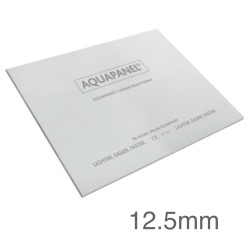
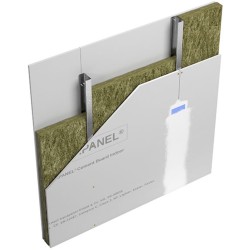
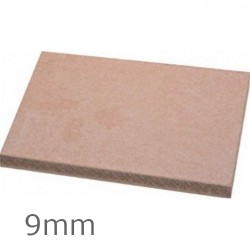
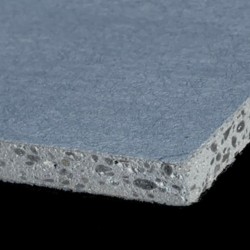
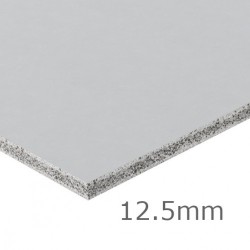
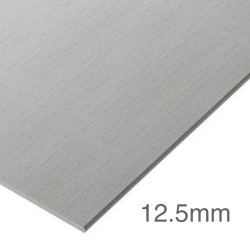
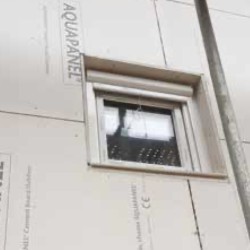
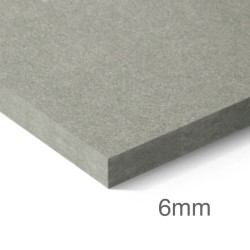
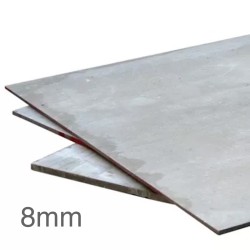
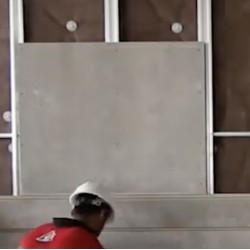
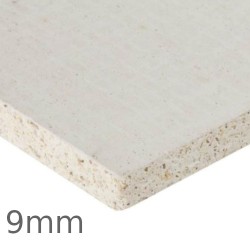
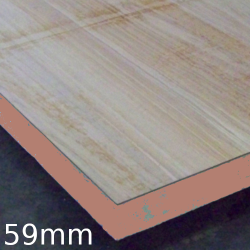
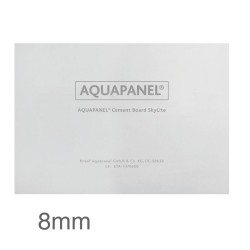
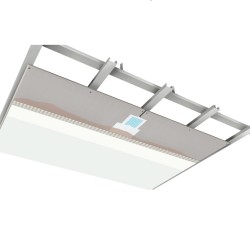
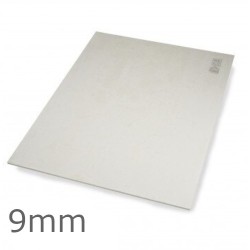
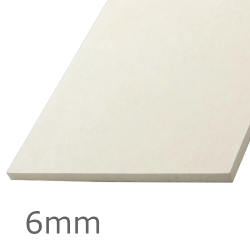
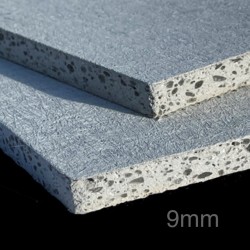
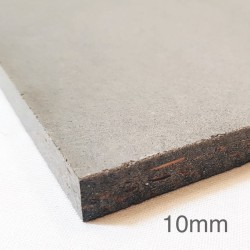
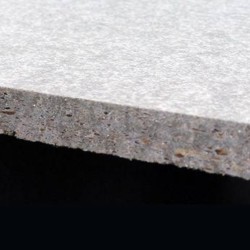
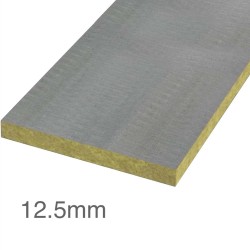
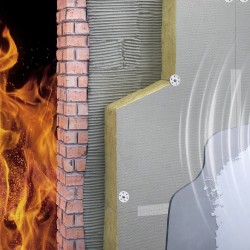
Cement boards and render carrier boards offer exceptional durability because they will not rot, warp, swell, grow mould, or deteriorate when exposed to water and harsh weather conditions. Typically fixed to treated timber frame or lightweight steel frame structures ready for thin-coat render systems, these boards provide a solid, impact-resistant substrate that withstands wind, rain, and snow—and can even be stored outside prior to installation.
Offering Class A1 non-combustibility and temporary weather protection before the render is applied, cement carrier boards are also straightforward to work with on-site and can be easily scored and snapped to size.
Key Characteristics & Benefits
- Superior Weather & Water Resistance: High water repellence ensures boards will not rot, warp, or swell in damp environments.
- Non-Combustible Safety: Class A1 non-combustible fire performance alongside strong acoustic and thermal properties.
- Mould & Mildew Resistant: Ideal for high-humidity internal areas such as bathrooms, wetrooms, and kitchens, as well as exterior facades.
- Fast & Easy Installation: Smooth, uniform surface that is easy to cut and fix, accelerating construction times and delivering a stronger return on investment.
- Low Maintenance & High Impact Strength: Creates a rigid, durable barrier that resists impact damage over the lifetime of the building.
Typical Applications
- External render carrier substrate for timber frame and lightweight steel frame structures (vertical and horizontal)
- Exterior sheathing and cladding backing
- Tile backer board for wetrooms, bathrooms, and kitchens
- Structural underlayment for tiled and vinyl flooring
Installation Guidelines
- Safety & Preparation: Always wear protective gloves and safety goggles, and use a fine-toothed saw or score-and-snap knife when cutting.
- Dry Run Layout: Lay out the boards across the framing or substrate to check alignment before fixing them into place.
- Measuring & Marking: Mark straight cuts on the board face using a carpenter's pencil. For irregular obstructions like plumbing pipes, create a template on contractor's paper, cut it out, and trace the pattern onto the board. For windows and doors, measure, cut, and number each board in sequence.
- Fixing the Boards: Secure the boards to the framing or substrate using appropriate corrosion-resistant screws (and thinset mortar where required for flooring), ensuring screw heads sit slightly below the board surface.
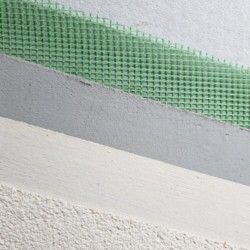
- Reinforcing Joints: Cover all board seams with alkali-resistant fibreglass seam tape.
- Finishing: Skim and smooth over the taped seams with mortar or basecoat and allow to dry thoroughly before applying your chosen render, plaster, or tiles.
Popular Render Carrier & Cement Boards
At Insulation Shop, we stock a wide range of sizes and thicknesses of cement-based backer boards, render carrier boards, and sheathing boards from leading manufacturers including Euroform, James Hardie, Knauf, and RCM:
- Versa Rendaboard – A solid white direct render base board featuring a textured face on one side, engineered for compatibility with a wide variety of polymeric render coating systems.
- Versapanel Cement Bonded Particle Board – An innovative, high-density building board designed to meet strict requirements for moisture tolerance, fire resistance, durability, and structural flexibility.
- HardieBacker Cement Floor Board – A heavy-duty fibre cement backer board providing an ideal, dimensionally stable substrate for ceramic, natural stone, and vinyl tiles.
- Knauf Aquapanel Exterior Cement Board – A premier water-resistant cement substrate engineered for directly applied render finishes, ventilated exterior wall systems, and exterior ceilings.
- Renderflex – A cellulose/fibre cement render carrier board primarily used as a direct base board for polymer-modified render systems where additional external insulation is not required.