


















































































































GypLyner Encase Steel Protection System
Showing 1 to 8 of 8 (1 Pages)
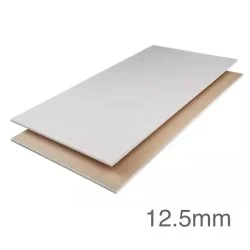
Guide Price
Brand: British Gypsum
Model: 1200x2400mm - 2.88m2
Delivery Time: 2 - 3 working days
12.5mm British Gypsum Gyproc FireLine is a plasterboard that contains glass fibre and other additives for extra fire protection. This board can withstands fire for longer to allow for safe evacuation. It can be used in partitions, ceilings and steel encasement systems in domestic separating walls, ..
Guide Price: £16.10
£19.32 inc VAT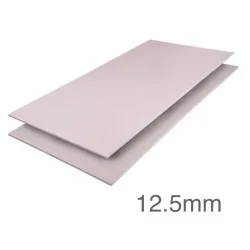
Guide Price
Brand: British Gypsum
Model: 1200x3000mm - 3.60m2
Delivery Time: TBC
12.5mm Gyproc FireLine MR with water repellent additives in its core is used in British Gypsum wall lining and partition systems where both fire protection and moisture resistance are required. Also used for protection to structural steel. Plasterboard linings provide good fire p..
Guide Price: £26.36
£31.63 inc VAT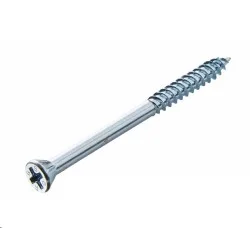
Brand: British Gypsum
Model: SIF5 - 55mm
Delivery Time: 3 - 5 days
55mm British Gypsum GypFloor SIF5 Floor Screws is used to fix floorboards through Gyproc Plank into the Gypframe SIF channel to prevent impact sound transmission in floating floors. They are electro zinc-plated to prevent corrosion, self-tapping for rapid installation, and have a countersunk head to..
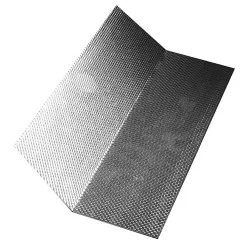
Brand: British Gypsum
Model: GA6 - 2.4 m
Delivery Time: 2 - 4 days
British Gypsum Gypframe GA6 2.4 m Splayed Angle is a specially designed product which provides additional support, strength, and protection to ceiling, wall and encasement framing constructions.The product can be used in vari..
£120.95
£145.14 inc VAT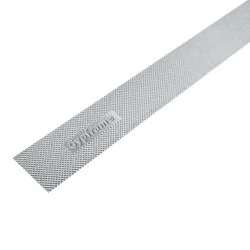
Brand: British Gypsum
Model: GFS1 - 2.4 m
Delivery Time: 2 - 4 days
British Gypsum Gypframe GFS1 Fixing Strap is one of the Gypframe board joining components designed to provide support to horizontal plasterboard joints, within deflection heads, in case the wall is higher than one board. The product can be used in various systems including:FireWall provides up to 24..
£7.17
£8.60 inc VAT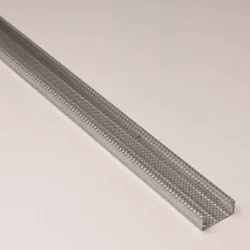
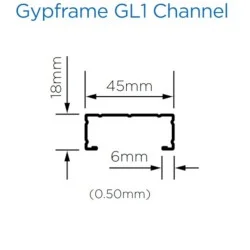
Brand: British Gypsum
Model: GL1 - 2.4m
Delivery Time: 1 - 2 days
British Gypsum Gyplyner GL1 2.4m Lining Channel is one of the GypLyner UNIVERSAL channels with very wide application, designed to ease the plasterboard lining installation process onto timber joists, concrete soffits, masonry walls, as well as for steel beams and columns enc..
£55.16
£66.19 inc VAT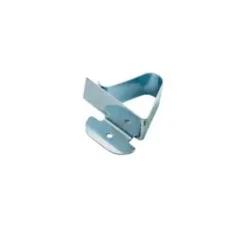
Brand: British Gypsum
Model: GL10 - Box of 100
Delivery Time: 2 - 4 days
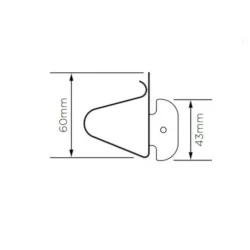
British Gypsum Gyplyner GL10 Steel Framing Clip is one of the GypLyner UNIVERSAL accessories with very wide application, designed to ease the plasterboard lining installation process onto timber joists, concrete soffits, masonry walls, as well as for steel beams and columns encasement.The product ca..
£240.51
£288.61 inc VAT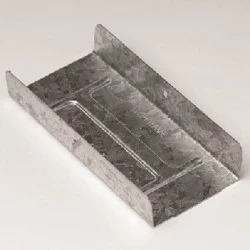
Brand: British Gypsum
Model: GL3 - Box of 50
Delivery Time: 1 - 2 days
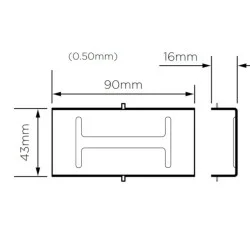
British Gypsum Gyplyner GL3 Channel Connector is one of the GypLyner UNIVERSAL accessories with very wide application, designed to ease the plasterboard lining installation process onto timber joists, concrete soffits, masonry walls, as well as for steel beams and columns encasement. ..
£29.11
£34.93 inc VATShowing 1 to 8 of 8 (1 Pages)