






















































































































European Metal Frame Ceiling Systems
Showing 1 to 16 of 16 (1 Pages)
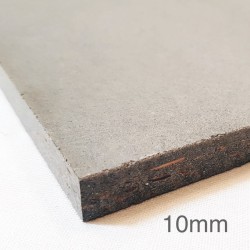
Brand: Euroform
Model: 2400mm x 1200mm - 2.88m2
Delivery Time: 2 - 3 working days
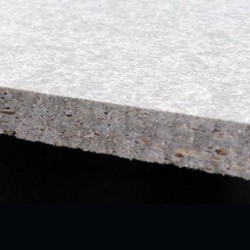
10mm A2 Versapanel Cement Bonded Particle Board is a specialised structural board manufactured from a mixture of wood particles, Portland cement, and additives. Its standout feature is its A2-s1, d0 fire rating, making it a non-combustible solution suitable for high-rise buildings and safety-critica..
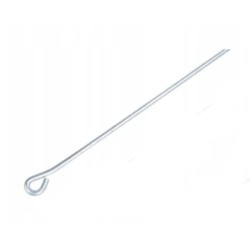
Brand: Budmat
Model: 125mm
Delivery Time: 1 - 2 days
125mm Fastening Rod to adjust the height of the rotary hanger with a single self-locking connector is an indispensable element for mounting profiles in light built-up systems: suspended ceilings, decorative ceilings and ceiling linings. It was made of resistant hot-dip galvanized steel. It is resist..
Brand: Budmat
Model: 180mm
Delivery Time: 1 - 2 days
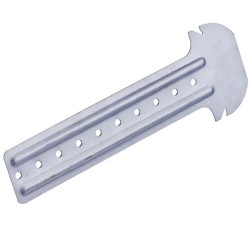
180mm Attic Hanger is a galvanised steel fastening element intended for assembly and leveling of CD60 ceiling profiles. It is a link between the rafter and the CD-60 profile.INSTALLATION CERTIFICATIONThe product complies withPN-EN 14195, PN-EN 13964..
£0.66
£0.79 inc VAT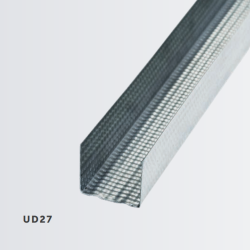
Guide Price
Brand: Budmat
Model: 27mm - 3000mm
Delivery Time: 1 - 2 days
27mm Galvanised Steel Ceiling Channel UD-27 - Perimeter Channel is made from high quality zinc coated steel sheet. This is of particular importance in drywall systems. Gypsum is acidic and therefore the profiles in contact with it must be properly secured. Internal width: 27mmINSTALLATION ..
Guide Price: £5.50
£6.60 inc VAT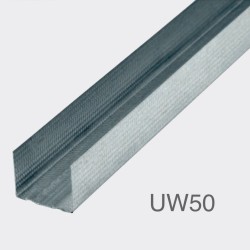
Brand: Budmat
Model: UW-50 - 3000mm
Delivery Time: 1 - 2 days
UW 50 is a galvanised steel profile channel, specifically designed for use in drylining and partition wall construction. It's an essential horizontal component within the framework of internal wall systems. Manufactured from galvanised steel, the UW 50 profile offers strength, durability, and resis..
Brand: Budmat
Model: CW-50 - 3000mm
Delivery Time: 1 - 2 days
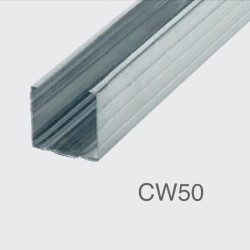
Profile Stud CW 50 is a steel profile, specifically designed for constructing internal wall linings and partitions. It's a key component within drylining systems, used extensively in both residential and commercial building projects. It has a 'C' shaped Wall profile, indicating its structural form. ..
Guide Price
Brand: Budmat
Model: 60mm - 3000mm
Delivery Time: 1 - 2 days
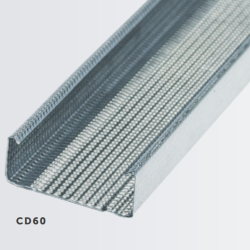
60mm Galvanised Steel Ceiling Lining Section CD-60 is made from high quality zinc coated steel sheet. This is of particular importance in drywall systems. Gypsum is acidic and therefore the profiles in contact with it must be properly secured.INSTALLATION CERTIFICATIONThe product compli..
Guide Price: £6.90
£8.28 inc VAT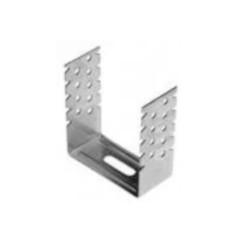
Brand: Budmat
Model: 75mm
Delivery Time: 1 - 2 days
75mm Galvanised Steel Ceiling Brackets ES-75 are made from high quality zinc coated steel sheet. This is of particular importance in drywall systems. Gypsum is acidic and therefore the profiles in contact with it must be properly secured. The bracket can be used for fixing horizontal and vertical ch..
£0.31
£0.37 inc VAT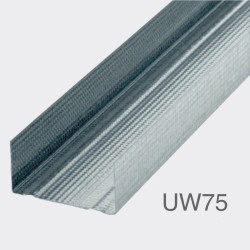
Brand: Budmat
Model: UW-75 - 3000mm
Delivery Time: 1 - 2 days
UW 75 is a galvanised steel profile channel, specifically designed for use in drylining and partition wall construction. It's an essential horizontal component within the framework of internal wall systems. Manufactured from galvanised steel, the UW 75 profile offers strength, durability, and resis..
Brand: Budmat
Model: CW-75 - 3000mm
Delivery Time: 1 - 2 days
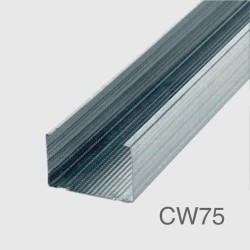
Profile Stud CW 75 is a steel profile, specifically designed for constructing internal wall linings and partitions. It's a key component within drylining systems, used extensively in both residential and commercial building projects. It has a 'C' shaped Wall profile, indicating its structural form. ..
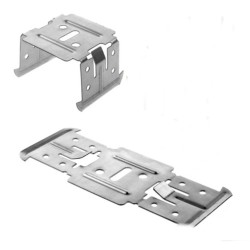
Brand: Budmat
Model: 145mm
Delivery Time: 1 - 2 days
Cross Connector is a galvanised steel fastening element to the structure of suspended ceiling profiles. It is used to connect the main profiles in a perpendicular manner - to mount a cross-type grate. The hooks of the cross connector are hooked to the inner walls of the bottom profile, and the conne..
£0.65
£0.78 inc VAT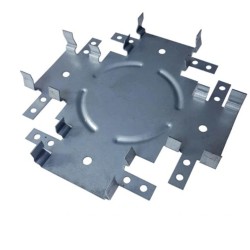
Brand: Budmat
Model: 60mm
Delivery Time: 1 - 2 days
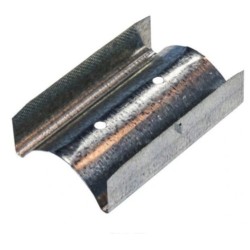
Double-sided Transverse Connector for Ceiling Channel CD-60 is a galvanised steel fastening element to connect CD60 profiles on two sides at 90 degrees to the main profile. It allows profiles to be connected to the main profile at given distance so the bottom surface stays in one plain. It is resist..
Guide Price
Brand: Budmat
Model: 95mm
Delivery Time: 1 - 2 days
Longitudinal connector for CD-60 profiles is used for connection of CD profiles on one level. It limits the too deep insertion of the connector into the CD profile and prevents the already installed connector from shifting between the two CD profiles during ceiling vibrations. It is resistant to moi..
Guide Price: £0.90
£1.08 inc VAT
Guide Price
Brand: Budmat
Model: 95mm
Delivery Time: 1 - 2 days
Longitudinal connector for CD-60 profiles is used for connection of CD profiles on one level. It limits the too deep insertion of the connector into the CD profile and prevents the already installed connector from shifting between the two CD profiles during ceiling vibrations. It is resistant to moi..
Guide Price: £30.80
£36.96 inc VAT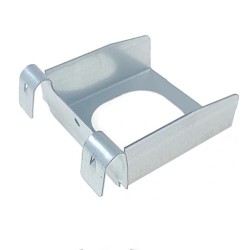
Brand: Budmat
Model: 60mm
Delivery Time: 1 - 2 days
One-sided Transverse Connector for Ceiling Channel CD-60 is a galvanised steel fastening element to connect CD60 profiles on one side at 90 degrees to the main profile. It allows profiles to be connected to the main profile at given distance so the bottom surface stays in one plain. It is resistant ..
£0.54
£0.65 inc VAT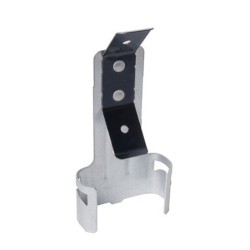
Brand: Budmat
Model: Rotary hanger
Delivery Time: 1 - 2 days
Rotary Hanger with a spring is a galvanised steel rotating fastening element for CD60 ceiling profiles. It enables easy adjustment of the profile suspension height. It works well in suspending the profiles of the load-bearing structure of suspended ceilings and with a clamping rod with a diameter of..
£0.69
£0.83 inc VATShowing 1 to 16 of 16 (1 Pages)