




























































































Extruded Polystyrene Insulation XPS | Below DPC & Inverted Roof Boards
Shop by Subcategory or Brand

Products
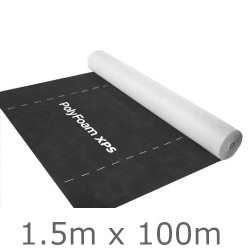
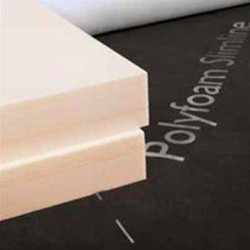
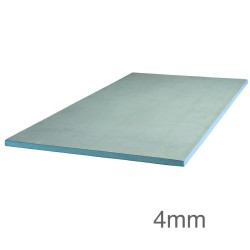
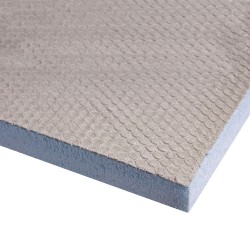
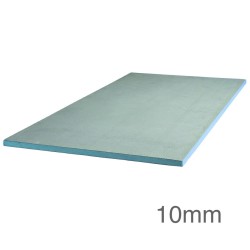
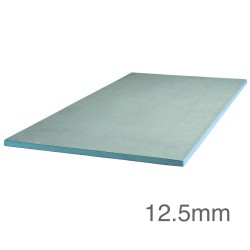
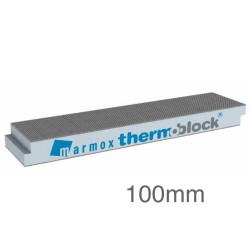
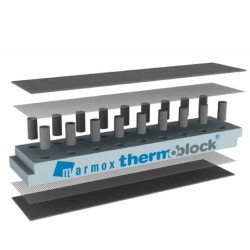
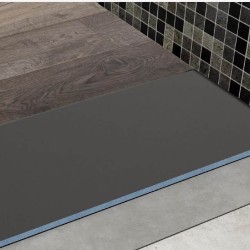
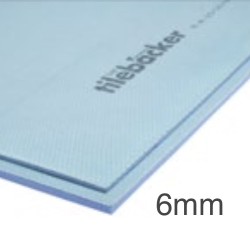
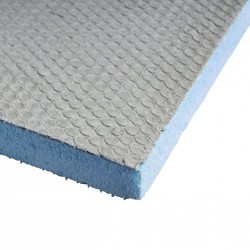
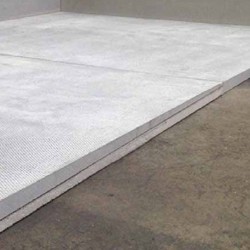
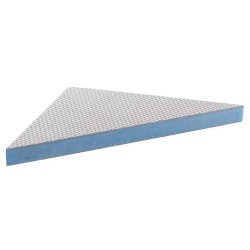
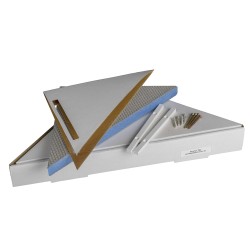
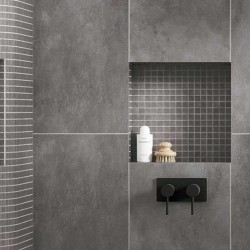
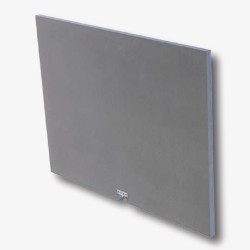
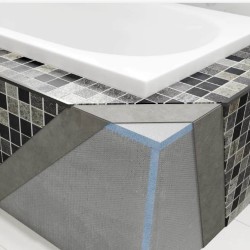
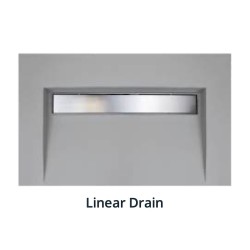
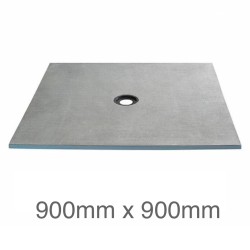
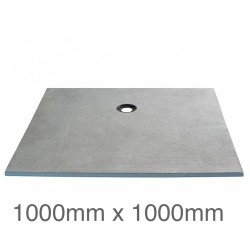
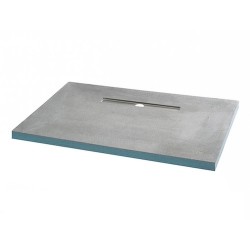
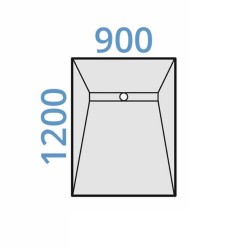
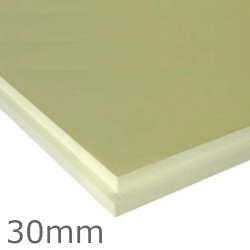
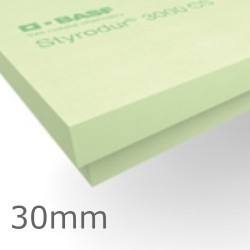
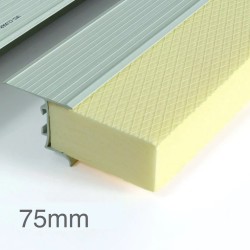
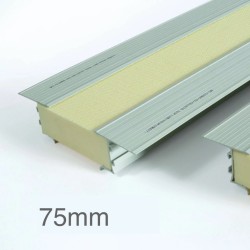
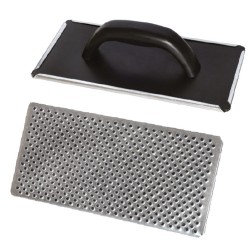
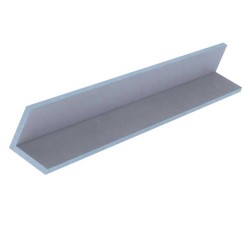
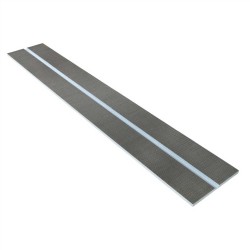
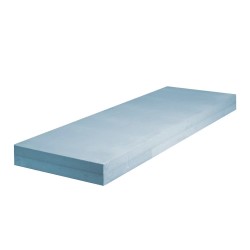
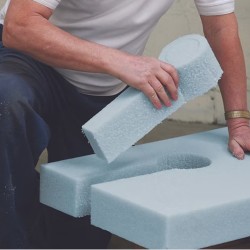
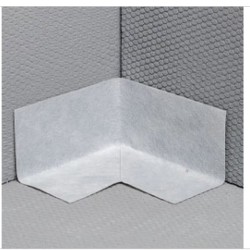
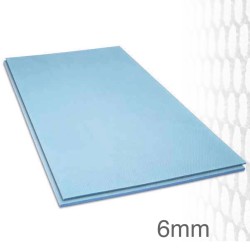
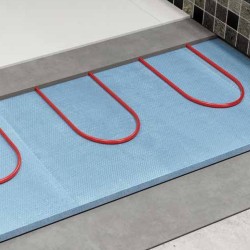
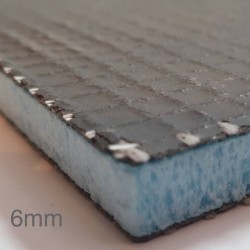

Extruded Polystyrene (XPS) insulation is a high-performance, rigid closed-cell foam board engineered for applications demanding exceptional moisture resistance, high compressive strength, and long-term thermal stability. Manufactured through a continuous extrusion process, molten polystyrene is forced through a shaping die where it expands into a uniform, void-free closed-cell structure—preventing water absorption and preserving its stated R-value even under repeated freeze-thaw cycling.
Key Benefits of XPS Insulation
- Superior Moisture & Freeze-Thaw Resistance: Closed-cell structure resists water ingress, preventing structural degradation and R-value loss in wet conditions.
- Outperforms EPS in Wet & Cold Environments: Significantly more moisture-resistant than standard Expanded Polystyrene (EPS) and retains higher thermal resistance at lower mean temperatures where water is present.
- High Compressive Strength: Withstands heavy static and dynamic loads in below-grade foundations, car park decks, heavy-duty floors, and under-pavement installations.
- Long-Term Thermal Stability: Delivers consistent, dependable U-values over the lifespan of the building.
- Mould & Mildew Resistant: Inorganic, non-nutrient composition will not rot or support fungal growth.
- Recyclable: 100% recyclable rigid foam material suitable for inverted roof and below-DPC assemblies.
Typical Applications
Because water is a strong conductor of heat, standard insulation materials lose thermal efficiency if exposed to dampness. XPS is specifically engineered to keep moisture out across demanding building envelopes:
Inverted Roofs, Decks & Vegetative (Green) Roofs
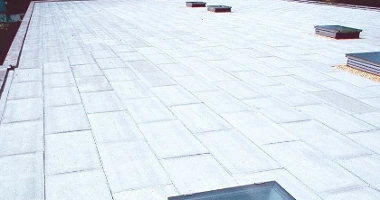
In a protected or inverted roof assembly, the waterproofing membrane is installed directly on the structural roof deck, with XPS insulation laid above the membrane and weighed down with ballast, paving, or soil. This shields the waterproofing layer from UV degradation, thermal shock, and physical damage. For vegetative and green roofs—where long-term moisture exposure and heavy soil loads are constant—XPS is the industry-standard insulation choice due to its low water absorption and high compressive strength.
Below-Grade Foundations & Below-DPC Walls
Continuous exterior insulation around building foundations is the most effective way to eliminate perimeter cold bridging. Because ground moisture inevitably reaches foundation walls, XPS provides essential waterproofing protection while withstanding lateral soil pressure and mechanical impact during backfilling. It is widely specified below the Damp Proof Course (DPC) level as well as behind external render, siding, or rainscreen cladding systems.
Asphalt Built-Up Roofing & Heavy-Duty Floors
XPS can be incorporated into asphalt built-up roofing systems (provided thermal protection is installed to shield the boards from hot bitumen and solvents) as well as beneath heavily loaded concrete floor slabs, cold stores, and car park decks.
Handling & Installation Precautions
- UV Protection: Prolonged exposure to direct sunlight will degrade the surface of uncovered boards; store under cover and conceal promptly after installation.
- Solvent Sensitivity: Avoid contact with solvents or solvent-based adhesives and coatings, which cause irreversible damage to polystyrene.
- Temperature Limits: Do not expose XPS to continuous high temperatures; temperatures above 120°C will melt polystyrene.
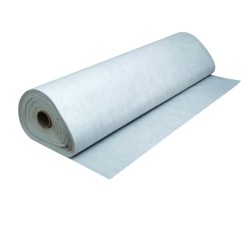
- Membrane Compatibility: Unprotected XPS can draw plasticisers out of certain thermoplastic membranes (such as unbacked PVC), causing membrane degradation—always install a compatible separating fleece where required.
- Fire Safety: Polystyrene is combustible and must be installed within an approved, fire-protected construction assembly in accordance with UK Building Regulations.